
Scenic Circular Walks from Broads Villages
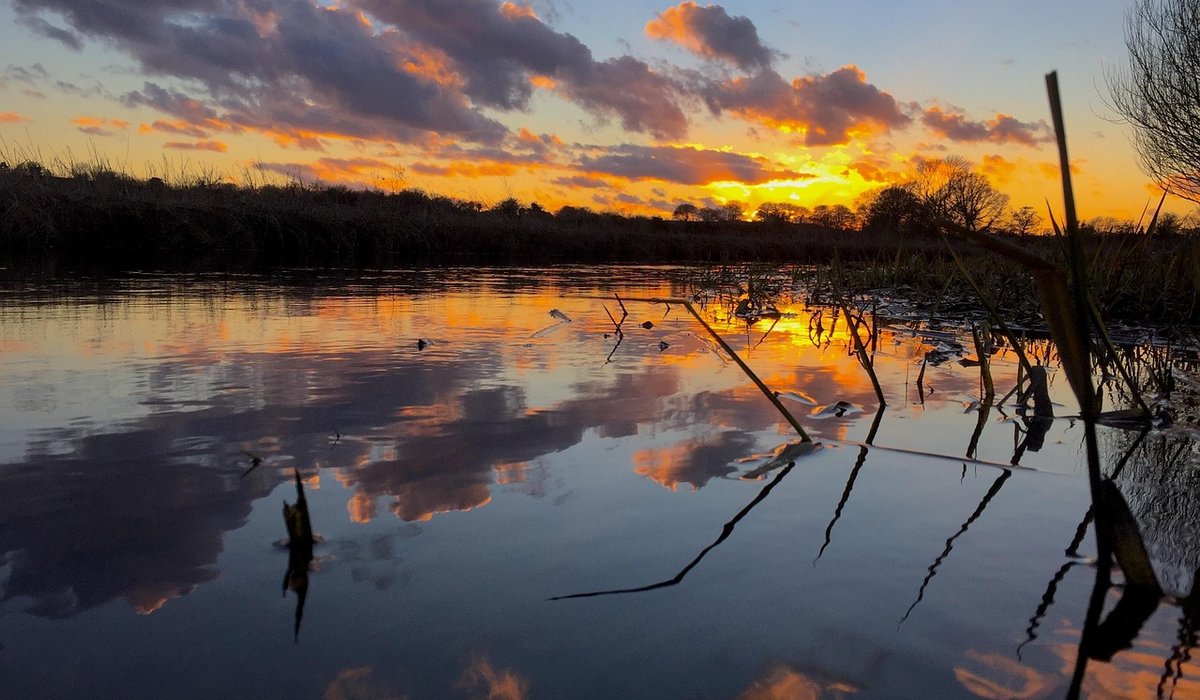
Why the Broads rewards walkers as much as boaters
The Broads National Park is famous for its water, but the real pleasure of a day here is the way riverbank, marsh and village sit within a few minutes of each other. Circular routes are the key to that. You park once, set off from a village staithe or green, and come back to the same spot with a pub, a tea room and a view of moored boats waiting for you. No shuttling cars, no retracing your steps.
Almost everything below is flat, waymarked and manageable in two to four miles, which makes these routes ideal for mixed-ability groups, dawdling children and anyone who would rather stop to watch a marsh harrier than chase a time. Wear boots between October and April, because the wet meadows and dyke-side paths hold water long after the rain has stopped.
Horning: the Bure, a foot ferry and Cockshoot Broad
Start at the village staithe in Horning and walk downstream with the River Bure on your left. The path soon leaves the boatyards behind and follows the river through scrub and alder, past the point where the little foot ferry crosses to the Woodbastwick side. Even if you don't take the ferry, it's worth pausing here to watch the hire boats negotiate the bend.
Continue to Cockshoot Broad, where a boardwalk and hide give you a quiet view over one of the clearest of the broads. The circuit back to the village runs along a quiet lane and a footpath across the edge of the marshes. Around 3.5 miles, entirely flat, with a couple of stiles. The whole walk is easy to shorten by turning back at the hide, which is a sensible option if the wind is coming off the water.
Ludham, Womack Water and How Hill
Womack Water is the prettiest of the smaller staithes, and the walk out towards How Hill is one of the classic Broads circuits. Begin at the staithe in Ludham, head north along the lane, then pick up the footpath that crosses the grazing marsh. Look out for the tall, black timber windpumps that still drain these levels; they are the signature of the landscape.
At How Hill you can climb the wooded slope for a view across the Ant valley, then follow the boardwalk through the reedbed. Return by way of the quiet lanes past the old mill and back into the village. About 4 miles, with one short, steady rise and a good deal of mud after wet weather. Allow two hours if you're walking with children, longer if you've brought binoculars.
Ranworth: broad, boardwalk and a tower worth climbing
This is the shortest of the routes and the easiest to fit into an afternoon. Park near Malthouse Staithe, then take the boardwalk trail that threads through the carr woodland to Ranworth Broad. The wildlife trail here is a gentle loop of barely a mile, but it feels far more remote than it is, with the broad opening out between the trees.
Add the village church for one of the finest views in the Broads. The tower has around 100 steps to the top, and on a clear day you can see the Bure winding away towards Horning and beyond. Combine the boardwalk and the church for a 2-mile wander, then walk back along the lane to the staithe. Good in winter, when the trees are bare and the broad fills with wildfowl.
Neatishead and the Barton Broad boardwalk
Barton Broad is one of the largest of the broads and one of the most rewarding to walk beside, thanks to a long, level boardwalk that carries you out over the water. Start in Neatishead, follow the lanes to the staithe, then take the path to the boardwalk and viewpoint. The return leg uses quiet country lanes past smallholdings and hedgerows.
- Distance: about 3 miles
- Terrain: level lanes, boardwalk and field paths, one stile
- Best for: birdwatching, pushchairs on the boardwalk section
The boardwalk can be slippery when wet, so take care where the planks narrow. In spring the surrounding carr woodland is loud with warblers.
Coltchall and Belaugh: a quiet Bure valley loop
Further upstream, the Bure narrows and the landscape softens into gentle hills. Start at the staithe in Coltishall, cross the common, and follow the riverside path towards Belaugh, where a small flint church sits above a tight bend in the river. The climb up to the churchyard is brief but steep by Broads standards, and the view down to the water is worth every step.
Return across the meadows and lanes to Coltishall for a 4-mile circuit. This stretch is popular with paddlers and anglers, so give way on the narrow riverside sections and keep dogs under close control near nesting birds.
Practical notes for Broads walkers
A few habits make these walks far more enjoyable. Carry a 1:25,000 map of the area, because some field paths are unsigned where they leave a lane. Mud is normal from autumn through spring, and nettles crowd the narrower paths in July and August, so long trousers are no bad thing. Midges are at their worst on still evenings near the reeds, so pack repellent.
- Park considerately at village staithes and never block a slipway or boatyard entrance.
- Check tide times if your route follows the Yare, Waveney or lower Bure; some riverside paths flood at high water.
- Keep to the path across grazing marsh, close gates, and keep dogs on leads near livestock and nesting season.
- Village pubs and shops keep limited hours out of season, so take water and a snack.
Finally, be generous with your timing. The Broads is a landscape that rewards standing still: a heron fishing, a wherry under sail, a windpump turning slowly in the breeze. A three-mile walk here can easily fill a morning, and that is exactly as it should be.

4 Comments