
Wildlife Photography Workshops Across the Broads
Why the Broads Rewards the Patient Photographer
The Broads is one of the most underrated photographic landscapes in Britain. Where else can you drift past a reedbed at first light, hear a bittern boom somewhere in the mist, and frame a swallowtail butterfly on milk parsley before breakfast? With roughly 125 miles of lock-free waterways, shallow broads, fen, carr woodland and grazing marsh, the habitat changes every few hundred metres — and with it, the wildlife.
What makes the area so generous to photographers is the light. The land is flat and low-lying, so dawn mist hangs over the water and turns the reeds gold. There is very little of the harsh, contrasty midday light you battle with in hill country. Add slow-moving boats, accessible staithes and a network of boardwalks and hides, and you have a wetland where a competent beginner can come away with genuinely striking images.
What a Typical Workshop Day Looks Like
Most wetland photography workshops run from before dawn until well after sunset, because that is when the light and the wildlife cooperate. Expect an early meet — often around 4.30am in summer — at a riverside staithe or nature reserve car park, followed by a short briefing on exposure settings and the species you are likely to meet.
A well-structured day usually includes:
- A dawn hide session targeting marsh harriers, bearded tits and early-rising otters.
- Boat-based shooting from a stable, slow-moving launch, giving you low angles across the water that you simply cannot get from the bank.
- A midday skills block covering focus tracking, metering for backlit reeds and how to keep spray off your front element.
- An afternoon on foot along dyke walls and boardwalks, working on macro and plant studies when the birds are quiet.
- A short review session at the end of the day, where a tutor talks through your files and suggests crops and tonal tweaks.
Group sizes are usually small — six to eight people — because hides and boats have limited space. That means plenty of individual attention, so tell the leader at the start whether you want help with technical settings or with composition and fieldcraft.
Season by Season: What to Photograph and When
- Late winter (January to March): Bitterns are booming and often show well at the edge of reedbeds. Short-eared owls hunt the marshes in the afternoon. Bare trees make woodland birds easier to find.
- Spring (April to May): The best all-round month. Warblers arrive, marsh harriers display, and mornings bring mist off the water. Bring waterproofs — the weather turns quickly.
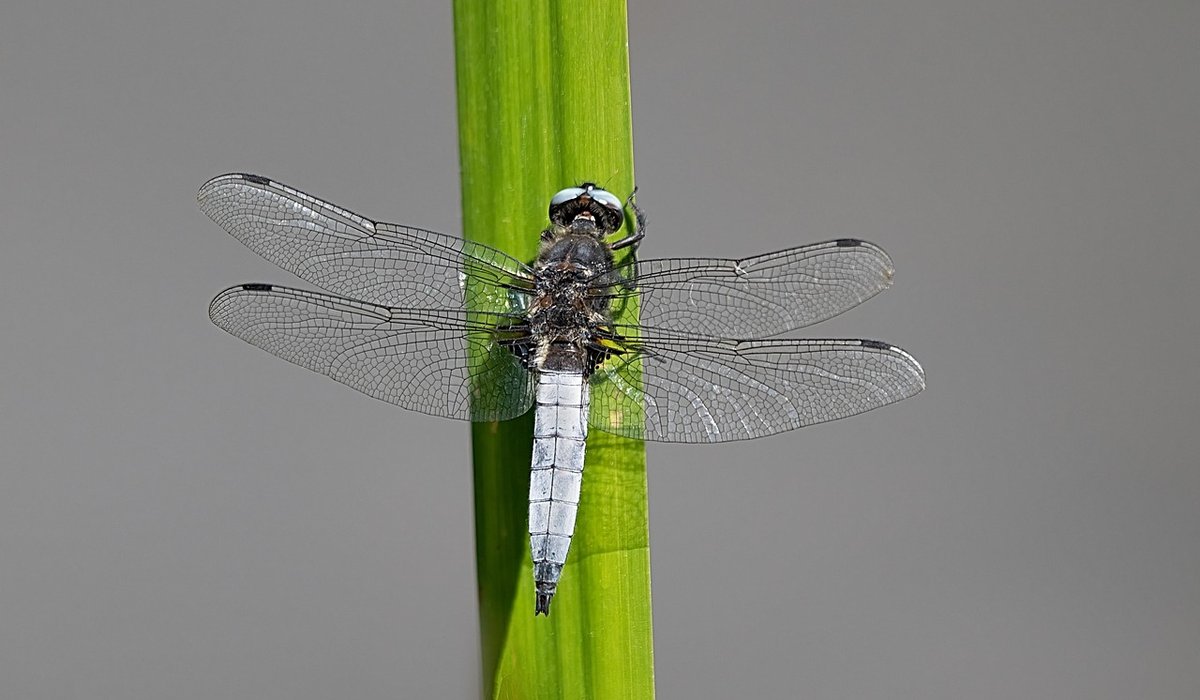
- Early summer (June to mid-July): Swallowtails are on the wing for roughly six weeks, feeding on milk parsley and other nectar sources. Norfolk hawker dragonflies also emerge. Start early; by 10am the light is flat and the insects are mobile.
- Autumn (September to November): Migrating waders and wildfowl build up on the broads. Low sun gives long, warm light and the reedbeds turn bronze — ideal for landscape work as much as wildlife.
- Winter: Short days, but spectacular sunrises and concentrations of wildfowl. Otters are often more visible on quiet stretches of river.
Fieldcraft and Ethics: Getting Close Without Causing Harm
The Broads is a fragile, protected habitat, and the best tutors will be firm about this. Stay on marked paths and boardwalks, keep well back from nesting reedbeds between March and August, and never use playback near territorial birds. Baiting otters or tempting them with food is not acceptable, however good the resulting photograph might look.
Practical fieldcraft beats expensive glass every time. Learn to move slowly and stop often. Wear dull colours. Approach into the wind. On boat-based sessions, ask the helm to cut the engine and let the vessel drift in — the wash-free approach makes an enormous difference to how close you can get.
Kit That Earns Its Place in the Dry Bag
- A telephoto zoom of 100–400mm covers most situations; a 500mm prime helps for distant waders and harriers.
- A 1.4x teleconverter for reach when you cannot move closer.
- A beanbag rather than a tripod for boat work — it sits securely on a gunwale and absorbs engine vibration.
- A circular polarising filter to cut glare from water and boost wetland greens.
- Microfibre cloths and a rain cover — spray, drizzle and reed pollen are constant companions.
- Spare batteries and cards, because a cold dawn drains power faster than you expect.
- Wellies, midge repellent and a flask. Unglamorous, but they keep you in position when the light finally arrives.
Booking, Costs and How to Choose a Session
Day workshops in the Broads generally cost between £85 and £160 per person, including boat hire on some dates. Residential weekends, usually two nights with three shooting sessions, run from around £350 to £550 depending on accommodation. Book early for the swallowtail weeks in late May and June, and for the bittern season in February and March.
Ask two questions before you pay: how many people will be on the day, and whether hides and boats are exclusive or shared with the public. A small group with private access to a quiet broad is worth a great deal more than a large one in a crowded hide.
Finally, do not discount a session aimed at improvers if you are already comfortable with your camera. The Broads is not a technically difficult subject — it is a patient one. Learning to slow down, read the water and anticipate where a bird will surface is the real skill, and it is exactly what the best tutors here teach.

4 Comments